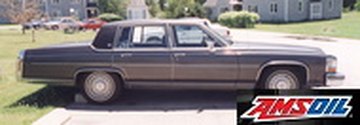
Engine Lubrication and Maintenance for the 1982 Cadillac FLEETWOOD 4.1L
Maintaining a classic luxury vehicle like the 1982 Cadillac Fleetwood requires a disciplined approach to routine service. With the 4.1L engine, consistent attention to lubrication and fluid integrity is a primary factor in preserving the mechanical health of the powertrain. Because older engines often operate under different thermal and friction profiles than modern counterparts, understanding how to monitor and respond to changes in lubricant condition is essential for any owner.
Monitoring Fluid Integrity and Potential Leaks
One of the most effective ways to manage a vehicle of this age is through regular visual inspections. Rather than waiting for a warning light or a significant mechanical change, an owner should periodically check the engine bay for signs of fluid seepage. When inspecting the 4.1L engine, look closely at various sealing surfaces and gaskets. Even minor evidence of moisture or oil residue can indicate that a seal is beginning to age.
If you notice any accumulation of fluid around the engine block or near connection points, it warrants closer investigation. It is important to remember that many symptoms, such as an oily residue on the underside of components, can have multiple causes. A small amount of seepage might be a minor issue, but consistent monitoring allows you to address these signs before they escalate into more significant maintenance requirements. Additionally, checking for any evidence of overheating or changes in how the engine sounds during operation can provide early clues regarding the overall health of the lubrication system.
Managing Long-Term Engine Health
For a vehicle that has been on the road for several decades, establishing a clear maintenance baseline is highly beneficial. If you have recently acquired this Cadillac, reviewing any available service history can help you understand how the engine has been treated in the past. Knowing whether previous owners adhered to regular oil changes or if there are records of recent gasket replacements provides a foundation for your own maintenance strategy.
When historical records are incomplete, the best approach is to prioritize inspections based on the current condition of the vehicle rather than making assumptions based solely on its age. This means focusing on active observations: Is the oil level consistent? Are there any new drips appearing on the driveway? Does the engine respond smoothly to temperature changes? By addressing observed needs—such as replacing an aging hose or investigating a minor leak—you can distinguish between necessary preventive maintenance and unnecessary parts replacement. Keeping a detailed log of all completed services, fluid types used, and any observed irregularities will serve as an invaluable tool for long-term ownership.
Observing Potential Lubricant Warning Signs
While modern vehicles often rely heavily on electronic sensors, owners of a 1982 Cadillac Fleetwood should remain observant of physical indicators. Changes in the appearance or smell of the engine oil can be telling. For instance, if the lubricant appears excessively dark or has a gritty texture, it may indicate that the oil is reaching the end of its effective service life or that contamination is present.
Other signs to watch for include:
- Unusual mechanical noises: Any new tapping or rhythmic sounds during engine operation should be investigated promptly.
- Changes in consumption: If you find yourself needing to add oil more frequently than before, this is a signal to inspect the engine for potential leaks or internal wear.
- Visible exhaust characteristics: While smoke can be caused by many factors, changes in exhaust color may warrant an inspection of the combustion environment.
It is vital to approach these symptoms with caution; they are indicators that something requires attention, but they do not automatically diagnose a specific failed component. A professional inspection is often necessary to determine the exact cause of any unusual engine behavior.
The Role of Quality Lubricants in Engine Longevity
Engine oil performs several critical roles that go beyond simple lubrication. It helps manage heat by absorbing thermal energy from internal components and assists in cleaning the engine by carrying away microscopic debris. Over time, however, all lubricants undergo chemical changes due to oxidation and exposure to combustion byproducts. This can lead to the formation of deposits or sludge if the oil is not changed according to a consistent schedule.
Using high-quality formulations helps maintain these protective properties for longer periods. Some modern oil formulations are specifically designed with additives intended for use in aging engines, which may include seal-conditioning agents. These additives can help maintain the flexibility of older gaskets and seals, potentially assisting in the management of minor seepage. Regardless of the specific formulation chosen, the primary goal is to ensure the lubricant maintains its ability to reduce friction and manage heat effectively under various operating conditions.
Practical Inspection of Ancillary Components
While engine oil is a central focus, a comprehensive maintenance routine for the 4.1L should include the inspection of related components that support engine operation. If equipped, accessible drive belts should be checked regularly for signs of deterioration such as cracking, glazing, or fraying. Similarly, if the vehicle is equipped with various hoses, these should be inspected for softness, bulging, or leaks.
Electrical connections and wiring harnesses should also be examined for signs of corrosion or heat damage, as stable electrical signals are necessary for proper engine management. Even a routine check of the air filtration system is worthwhile, as clean airflow is essential for efficient combustion and helps prevent contaminants from entering the engine environment.
Buying Engine Oil for your 1982 Cadillac FLEETWOOD 4.1L
When it is time to replenish your engine lubricant, the most important step is to ensure that the product you select matches the specific requirements of your vehicle. Rather than relying on general automotive knowledge or assumptions based on the age of the car, always refer to the application-specific viscosity and oil information provided on this webpage.
Before making a purchase, carefully check the product labeling to verify that the oil meets the appropriate API certification for your needs. You may choose between conventional, synthetic blend, or full synthetic oils depending on your maintenance preferences and the specific guidance listed in your application data. If you are managing an engine with higher mileage, you might consider formulations that include seal-conditioning additives, but always prioritize matching the lubricant to the vehicle-specific information displayed above to ensure compatibility and optimal performance.